

What is spray foam insulation?

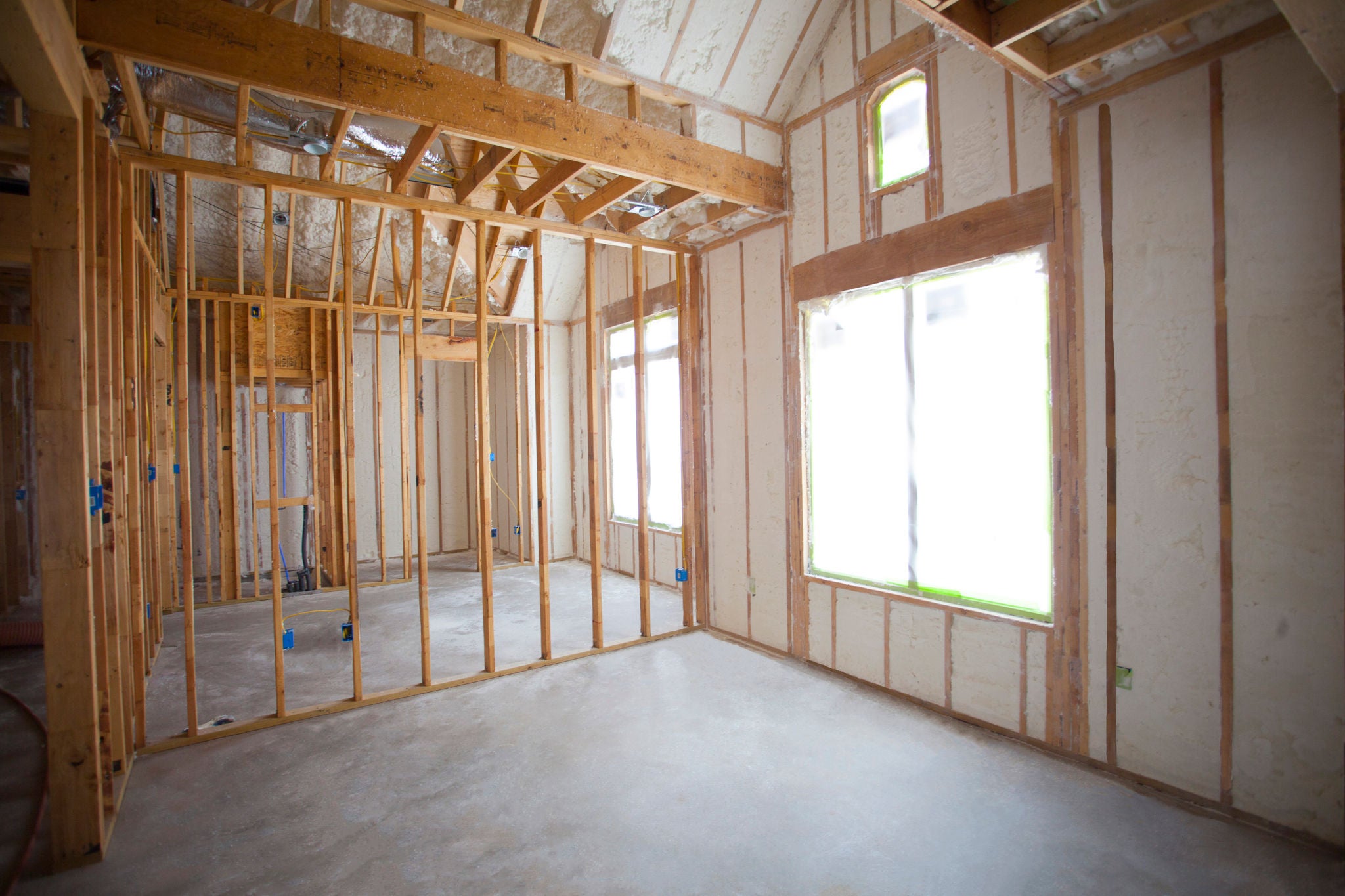
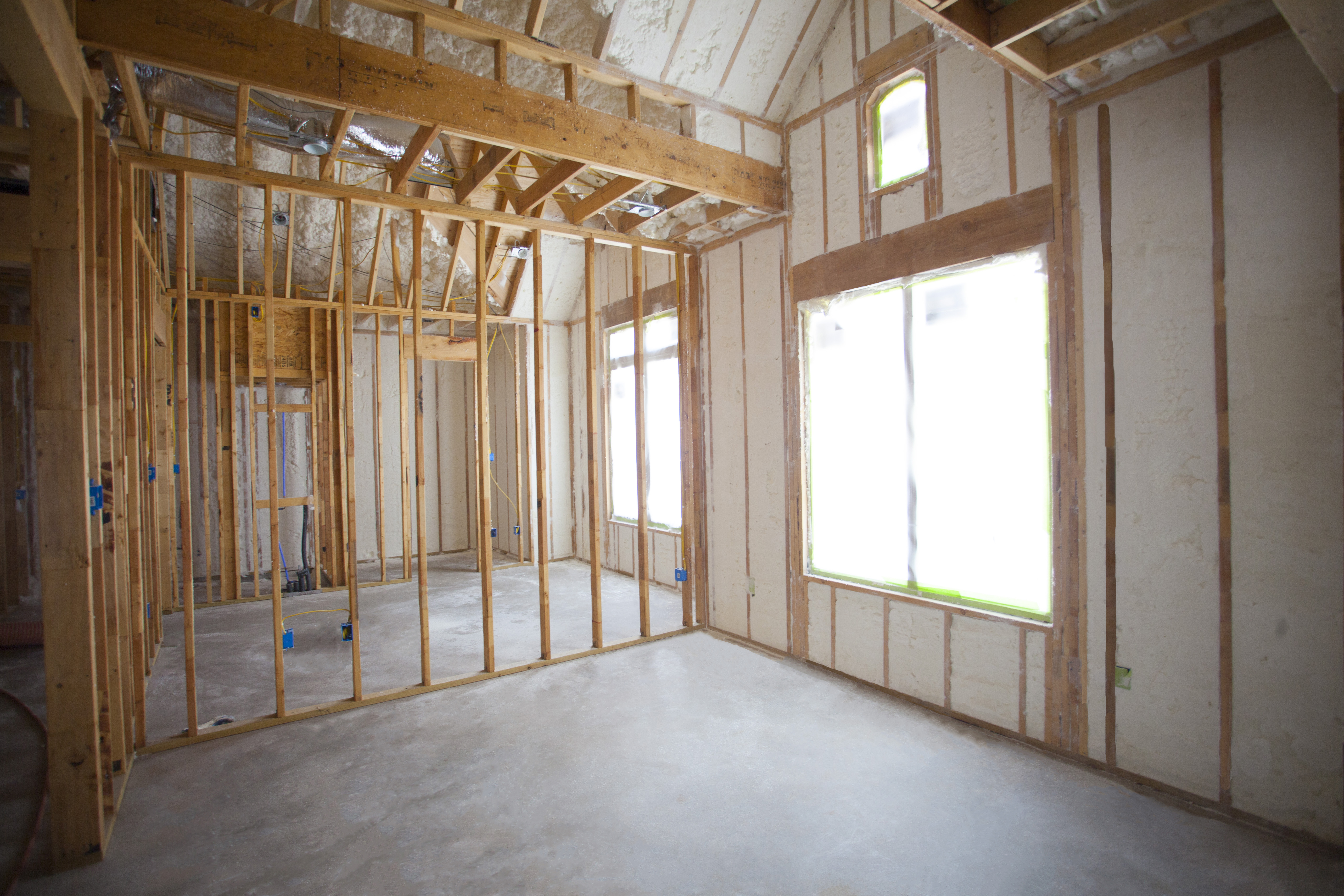
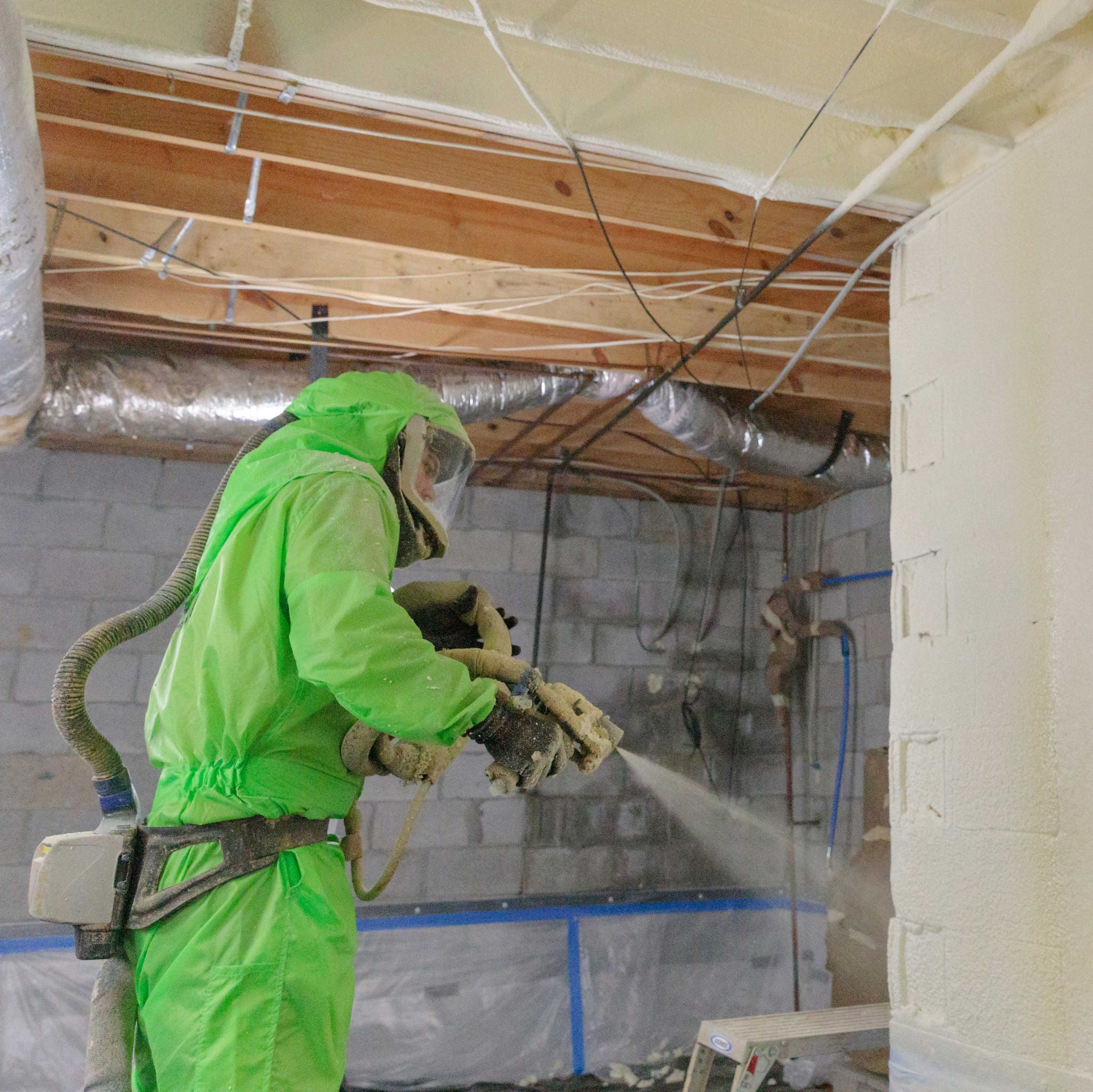
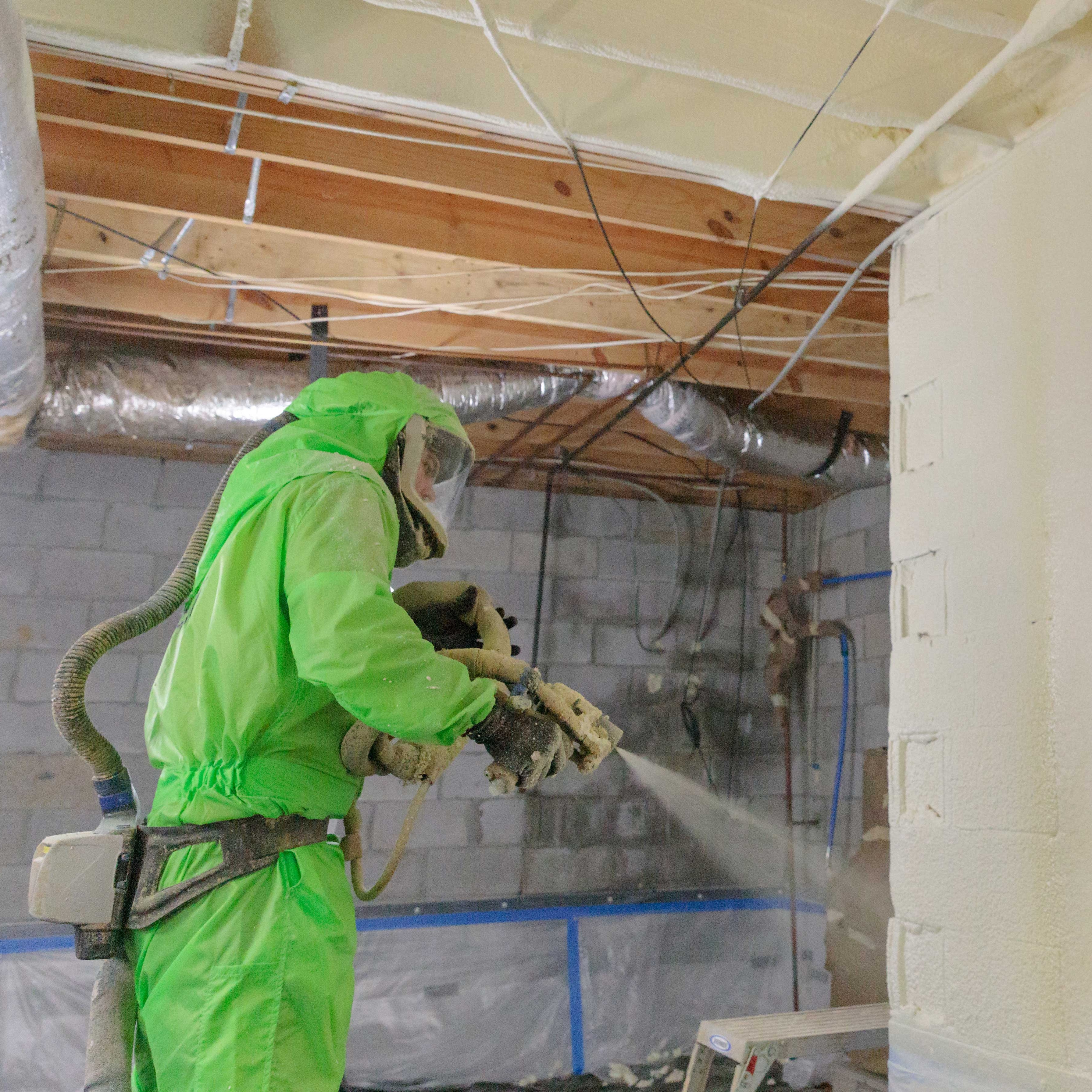
Spray foam (SPF) is a versatile insulation used in new home builds and renovations (called retrofits) to enhance thermal performance and create an airtight barrier against energy loss and gain. Spray foam is typically applied as a liquid that expands into a solid foam, filling gaps and crevices in walls, ceilings, and attics. With its air sealing properties, spray foam insulation reduces HVAC usage by helping to maintain the home’s temperature, making your home more energy-efficient and comfortable year-round with the added benefit of lowering its carbon footprint. Whether you're looking to lower energy bills, increase comfort, or improve indoor air quality, Enverge Spray Foam is the perfect solution to enhance your home's performance.


no

Which type of spray foam insulation is best for your home?

There are two types of spray foam insulation: open cell and closed cell.  

Open Cell Spray Foam

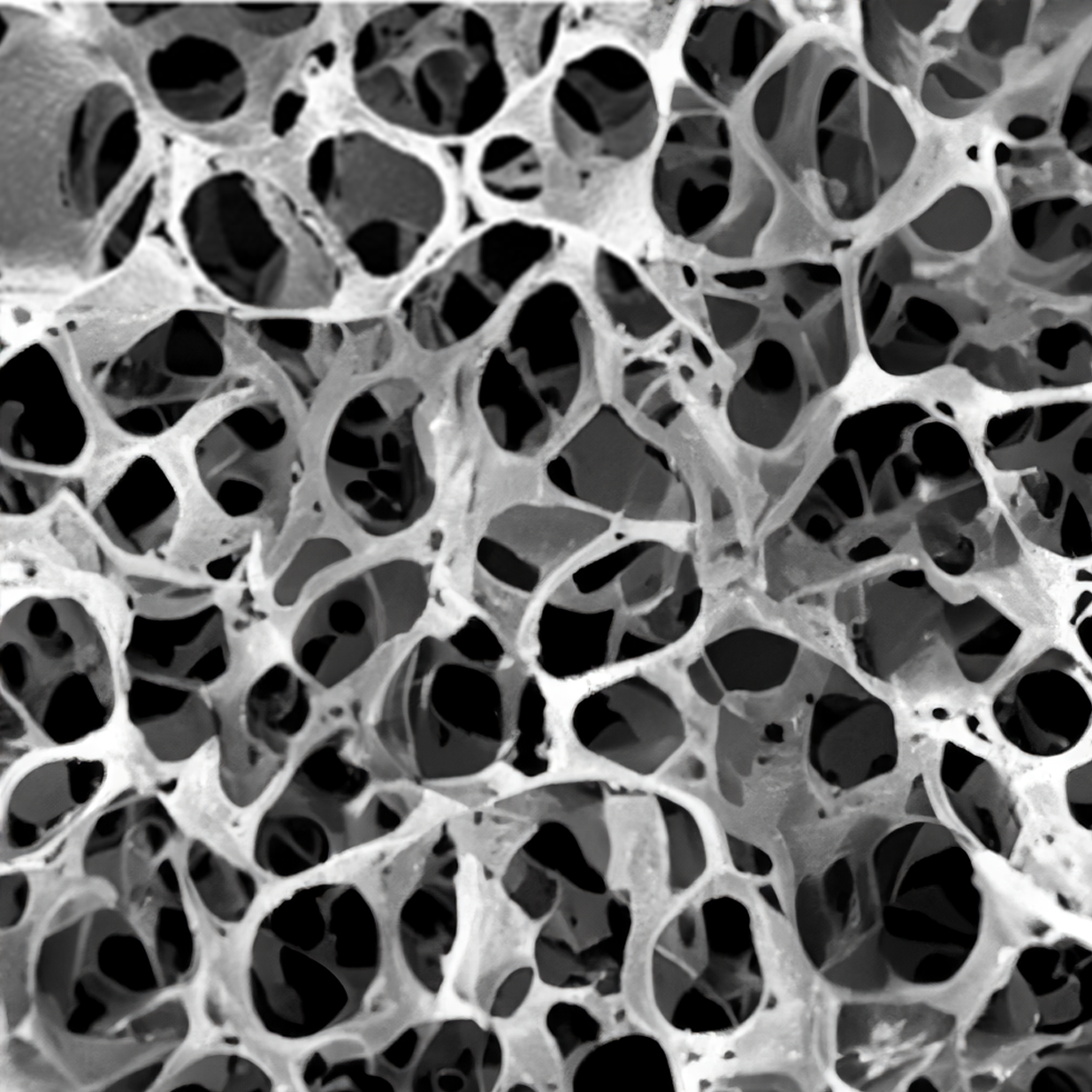
 In open cell spray foam, the cells are not completely encapsulated making the foam softer and more flexible, causing it to rise when applied. This would include our Enverge EasySeal  and Enverge SucraSeal products. Open cell spray foam offers lower thermal resistance (R-value) compared to closed-cell foam, but has better sound reduction properties. It’s primarily installed in warmer climates.


TEstAS

Closed Cell Spray Foam

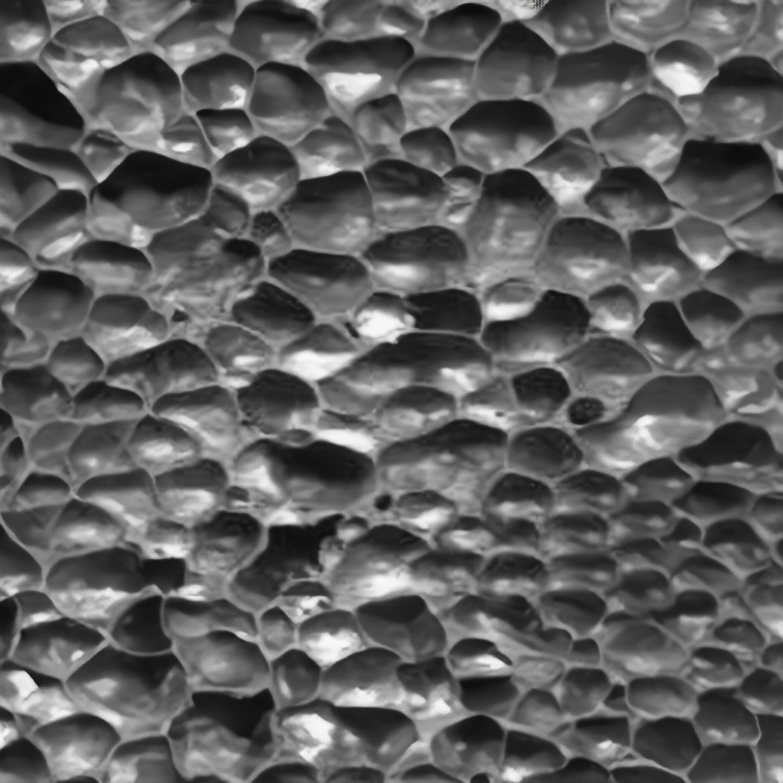
 In closed cell spray foam, the cells are pressed together, creating a more rigid and stable insulating layer versus open cell foam. Closed cell spray foam technology delivers the added benefits of moisture impermeability and structural reinforcement. This means closed cell insulation is an air barrier, vapor barrier, and increases the applied surface’s structural strength by up to 300%!!. Our closed cell spray foam products include the Enverge OnePass and Enverge NexSeal.  Closed cell spray foam is denser and has a higher R-value than open cell spray foam, making it the superior thermal insulation.  

TEstAS

WHY SPRAY FOAM BETTER THAN FIBERGLASS?

 Open and closed cell spray foam insulation creates an air barrier preventing unwanted air entry or loss from the home or building. The air sealing performance sets spray foam apart from alternative insulating materials because it reduces energy loss, prevents drafts, and keeps out allergens, dust, and other air pollutants

Closed cell insulation delivers the added benefits of being a vapor barrier and increasing structural strength by up to 300%!!. Learn more about how spray foam insulation performs compared to fiberglass insulation, the most commonly used residential home insulation.

Benefits Closed Cell Spray Foam Open Cell Spray Foam Fiberglass Insulation
Insulates to building code
Provides air sealing to prevent heat loss in winter & heat gain in summer
Moisture barrier / Flood resistant (is it truly flood resistant?)
Better maintains room temperature to reduce burden on HVAC system
Improves indoor air quality & eliminates harmful airborne contaminants
Maximizes monthly heating & cooling cost savings
Reduces Sound Transmission
Strengthens structure of applied surface
Will not shrink, settle, or sag over time
Heat Gain In Summer
Stable R-Value
Eliminates entry for bugs and pests

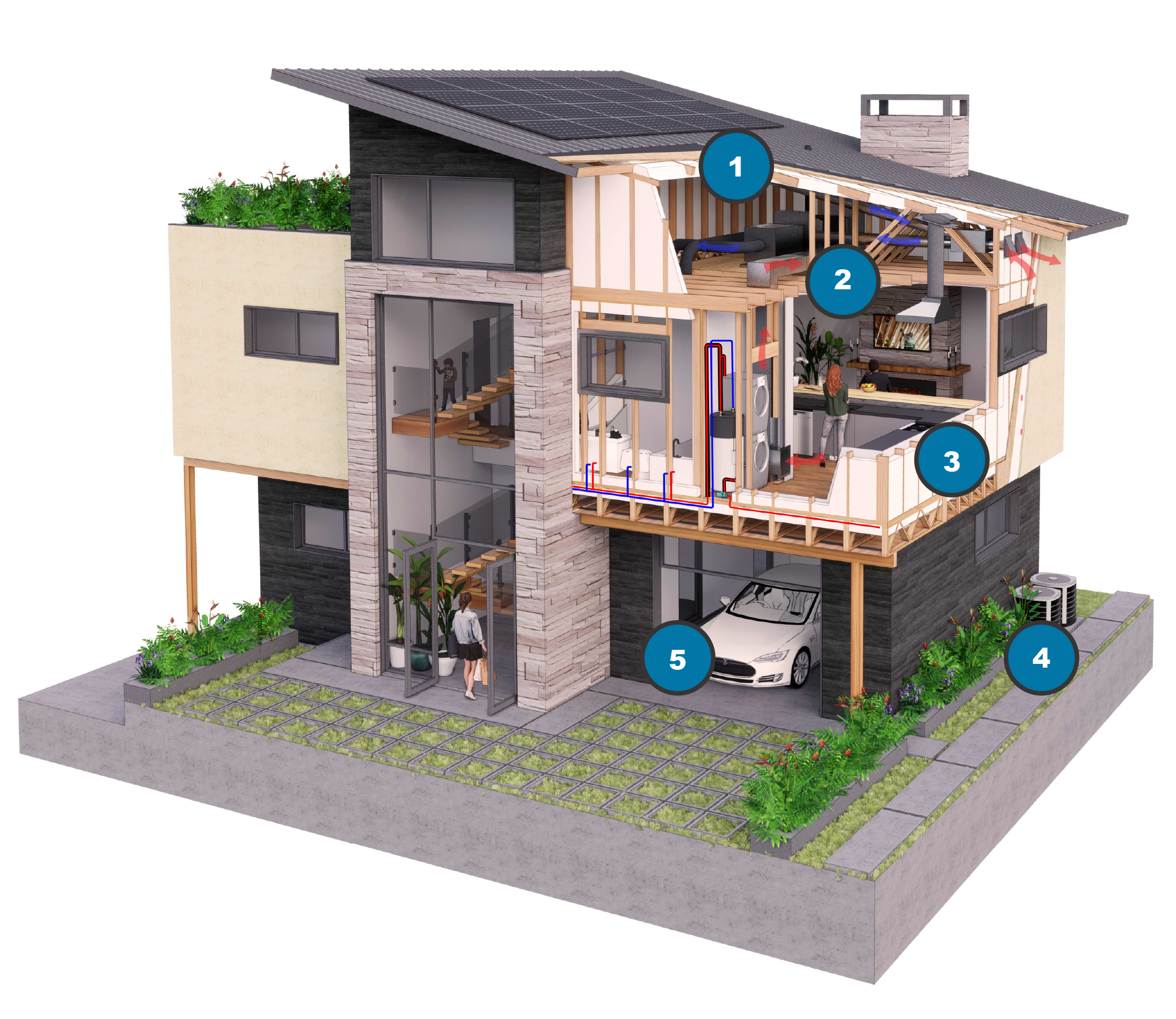
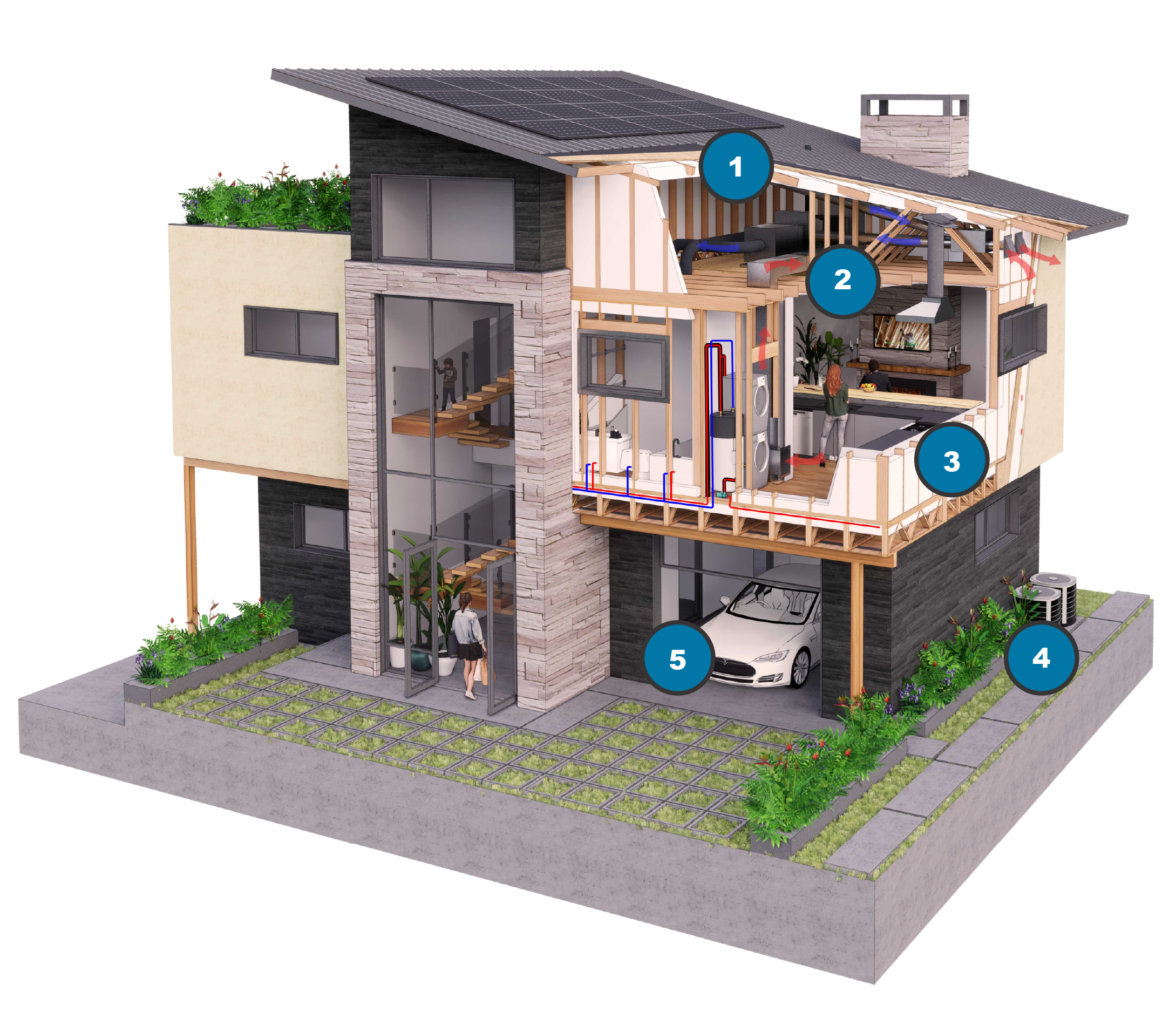
BRINGING THE BENEFITS OF SPRAY FOAM INSULATION TO LIFE IN YOUR HOME

KEY BENEFITS OF SPRAY FOAM:

The versatility of spray foam, coupled with its superior insulating and sealing capabilities, makes it an invaluable home investment.

✔️ Spray foam insulated attics are sealed, preventing heat loss in winter and heat gain in summer.

✔️ Spray foam seals and insulates ducts, minimizing energy loss and    enhancing HVAC system efficiency.

✔️ In walls, spray foam creates a continuous thermal barrier, minimizing energy transfer and maintaining indoor comfort.

✔️ Spray foam insulation can save upto 50% on monthly heating and cooling expenses.

✔️ Spray foam installed is a garage helps regulate home temperature,  specially if the garrage is connected to the house. 

A 3d cross section redndering of a house

TAKE ADVANTAGE OF TAX CREDITS, UPGRADE YOUR HOME WITH SPRAY FOAM!

The Inflation Reduction Act (IRA) of 2022 helps fund energy efficient advancements of the nation's buildings, including residential homes. Several provisions in the IRA provide funding for spray foam insulation, including the 25C tax credit. The 25C tax credit became effective on January 1, 2023 with a 30% or $1,200 (whichever is lower) tax credit for qualifying home energy efficiency upgrades (like spray foam!) that comply with the 2021 International Energy Conservation Code® (IECC®). You can take advantage of the IRA tax credit every year through 2032!!

Homeowners can apply for the 25C tax credit by filling out IRS Form 5695, Residential Energy Credits while doing their federal tax return. For more information about Form 5695 or to find the actual form, visit: www.irs.gov/forms-pubs/about-form-5695. Note: This information is subject to change as the IRS issues new guidance.

READY TO SPRAY FOAM YOUR HOME?

We can connect you with an Enverge approved spray foam contractor in your area. Have questions? We’re here to help. Fill out the contact form and we’ll be in touch shortly. 


*Indicates Required Fields