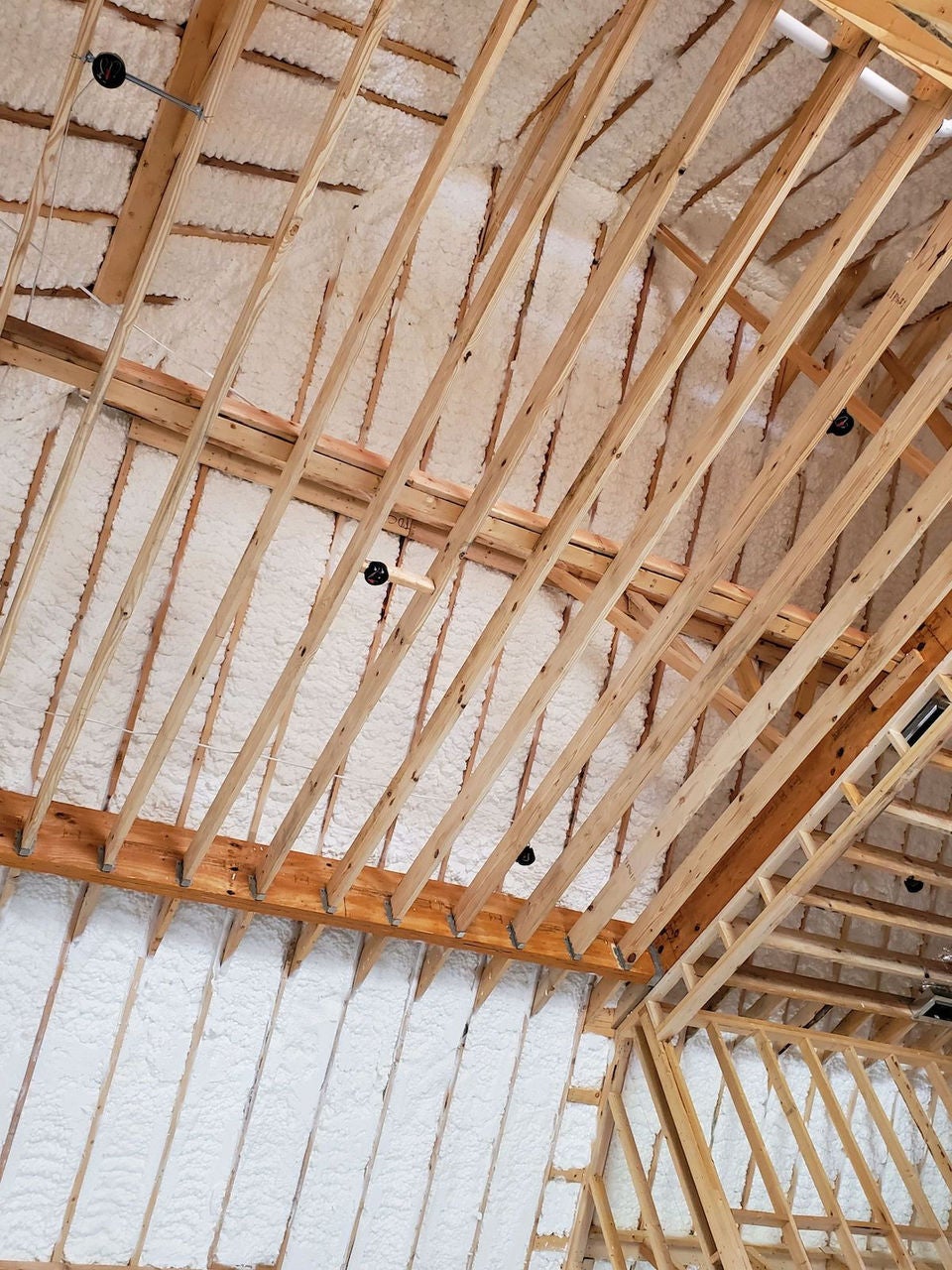
Effective insulation under floors while protecting against moisture.
Why Spray Foam
TYPES OF SPRAY FOAM INSULATION
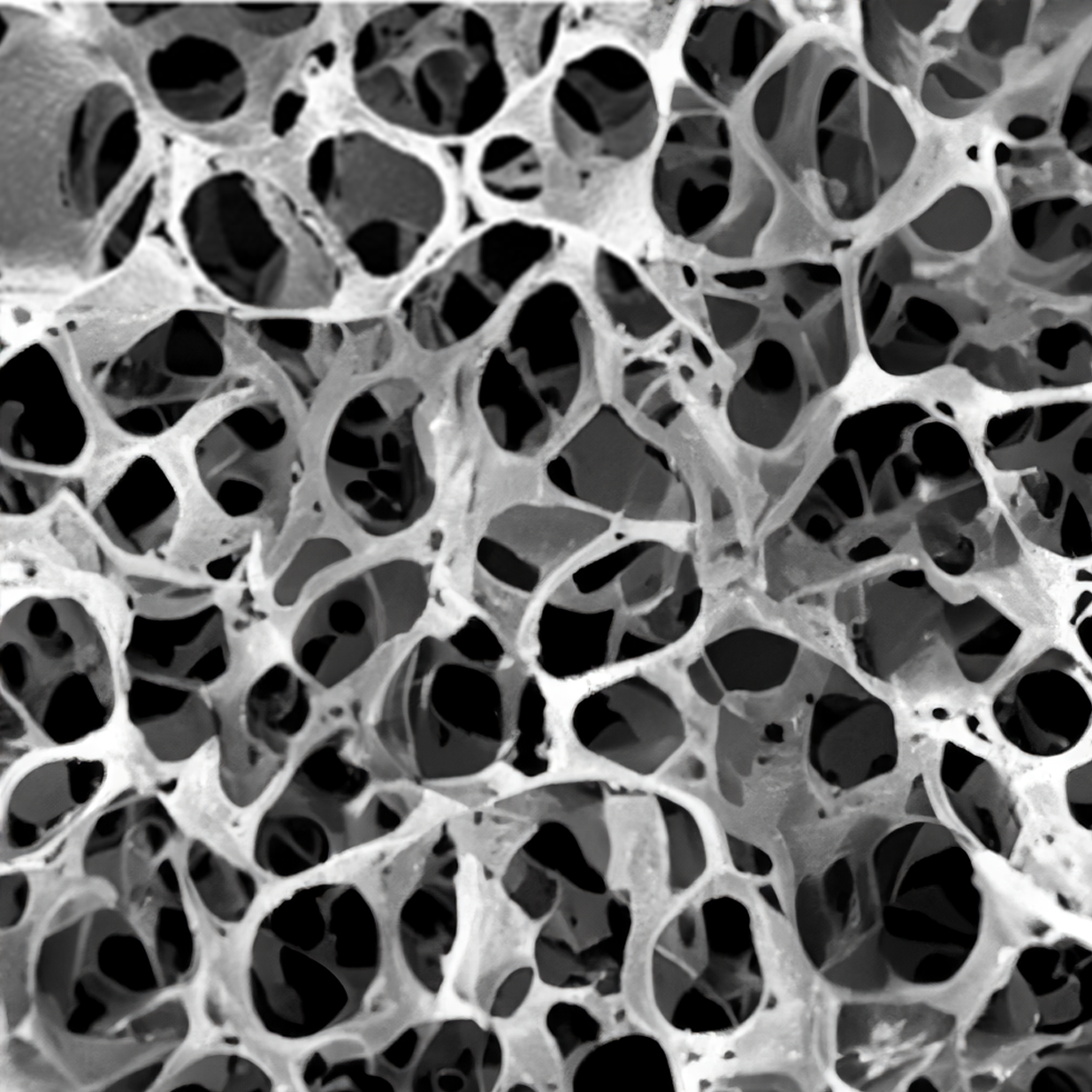
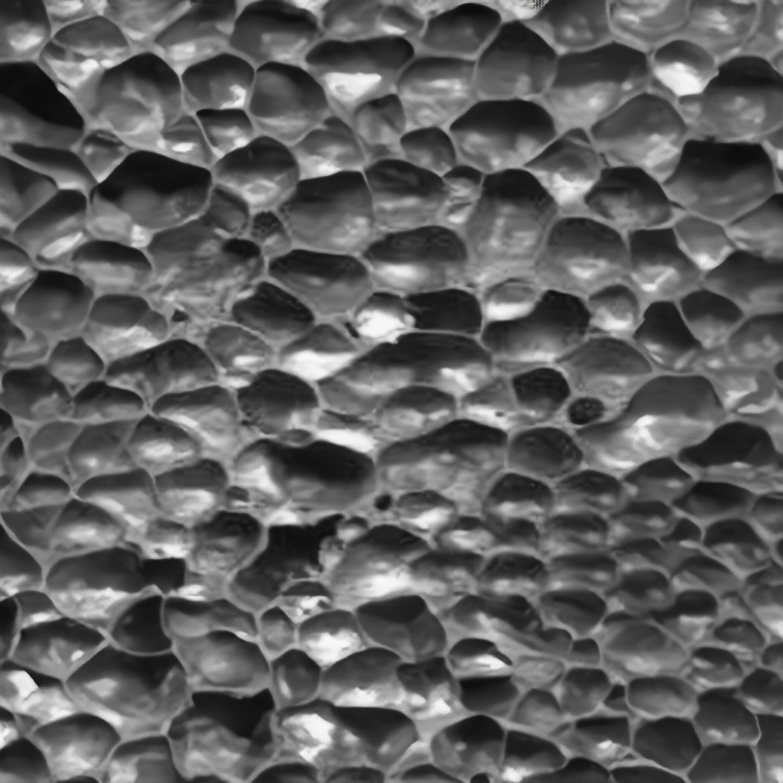
There are two types of spray foam insulation: open cell and closed cell.
| Benefits | Closed Cell Spray Foam | Open Cell Spray Foam | Fiberglass Insulation |
|---|---|---|---|
| Insulates to building code | |||
| Provides air sealing to prevent heat loss in winter & heat gain in summer | |||
| Moisture barrier / Flood resistant (is it truly flood resistant?) | |||
| Better maintains room temperature to reduce burden on HVAC system | |||
| Improves indoor air quality & eliminates harmful airborne contaminants | |||
| Maximizes monthly heating & cooling cost savings | |||
| Reduces Sound Transmission | |||
| Strengthens structure of applied surface | |||
| Will not shrink, settle, or sag over time | |||
| Heat Gain In Summer | |||
| Stable R-Value | |||
| Eliminates entry for bugs and pests |
The Versatility of Spray Foam
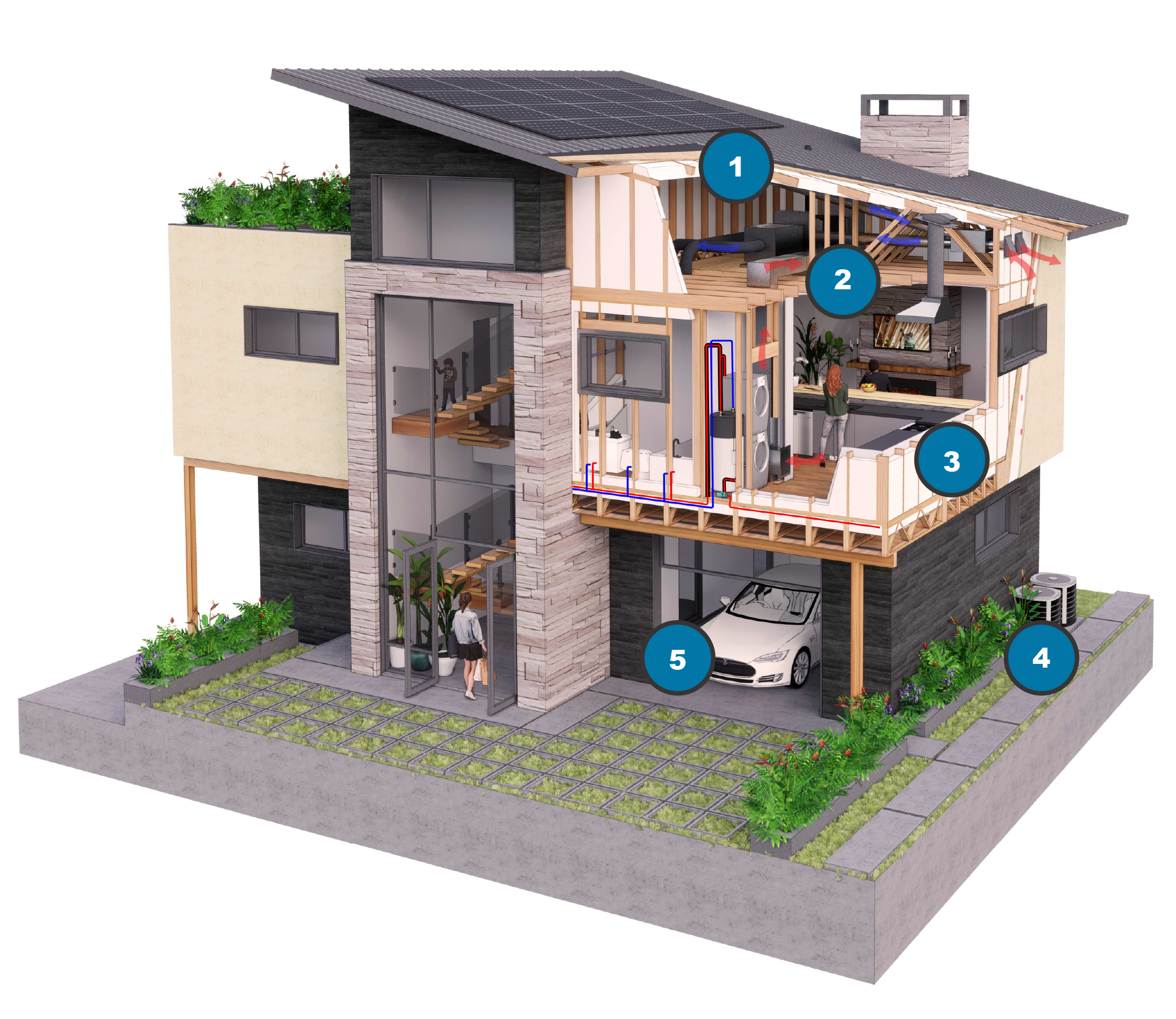
Ideal for both interior and exterior applications, sealing cavities or providing external insulation.
For roofing, enhancing energy efficiency and waterproofing.
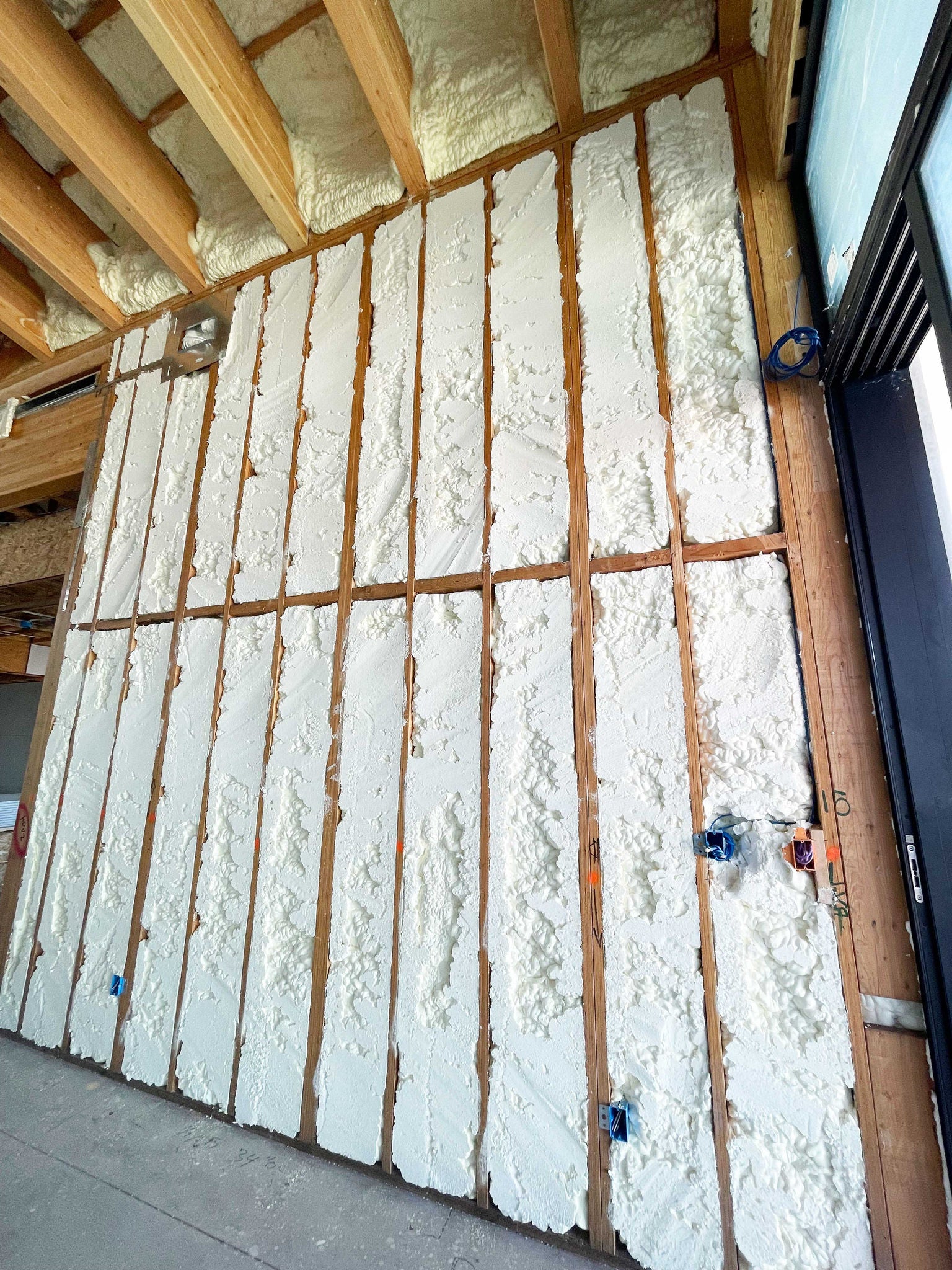
Insulating walls and floors to prevent heat loss and moisture ingress.
Used in multi-story buildings for insulation between levels.
Insulating foundation walls to reduce heat loss and moisture intrusion.
Sealing gaps for improved energy efficiency and draft reduction.
Insulating to prevent heat loss and condensation.
Open-cell foam enhances sound insulation in walls and ceilings.
Commonly employed for insulating and sealing roofing, walls, and other applications
Insulating and protecting against extreme conditions.
Providing insulation in farm structures.
Maintaining temperature control.
Enhancing comfort and energy efficiency in recreational vehicles.
Lowers Long-Term Heating and Cooling Costs - A home with spray foam is usually able to downsize its HVAC unit. When it comes time to replace the HVAC unit, it won’t be as expensive as it would be with alternative insulating materials.
Increase Indoor Comfort - Spray foam creates more consistent temperatures in living spaces by keeping conditioned air inside and unconditioned air outside.
Healthier Indoor Air Quality - Spray foam creates an air barrier that reduces entry of dust, pollen, and other outdoor contaminants improving indoor air quality.
Long-Term Performance - Backed by a limited lifetime warranty, spray foam will not need to be replaced like traditional insulation.
Contributes to Sustainable Building - Reducing a home’s energy usage from heating and cooling lowers its carbon footprint, reducing its impact on the environment.
Ultimately, spray foam delivers superior insulation and air sealing performance, making homes and buildings more energy-efficient and comfortable year-round. Whether you're looking to lower energy bills, increase comfort, or improve indoor air quality, spray foam is the perfect solution.
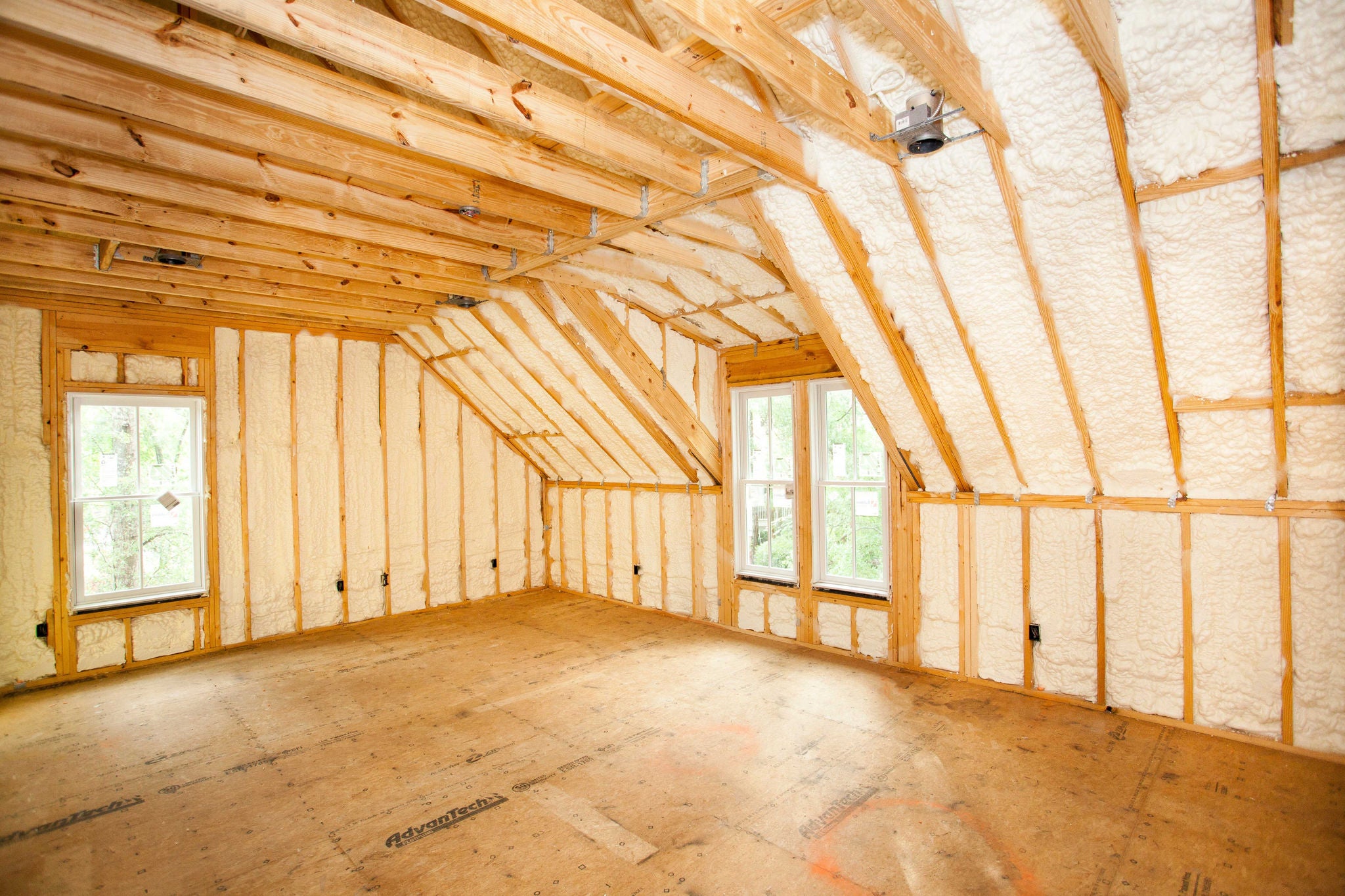
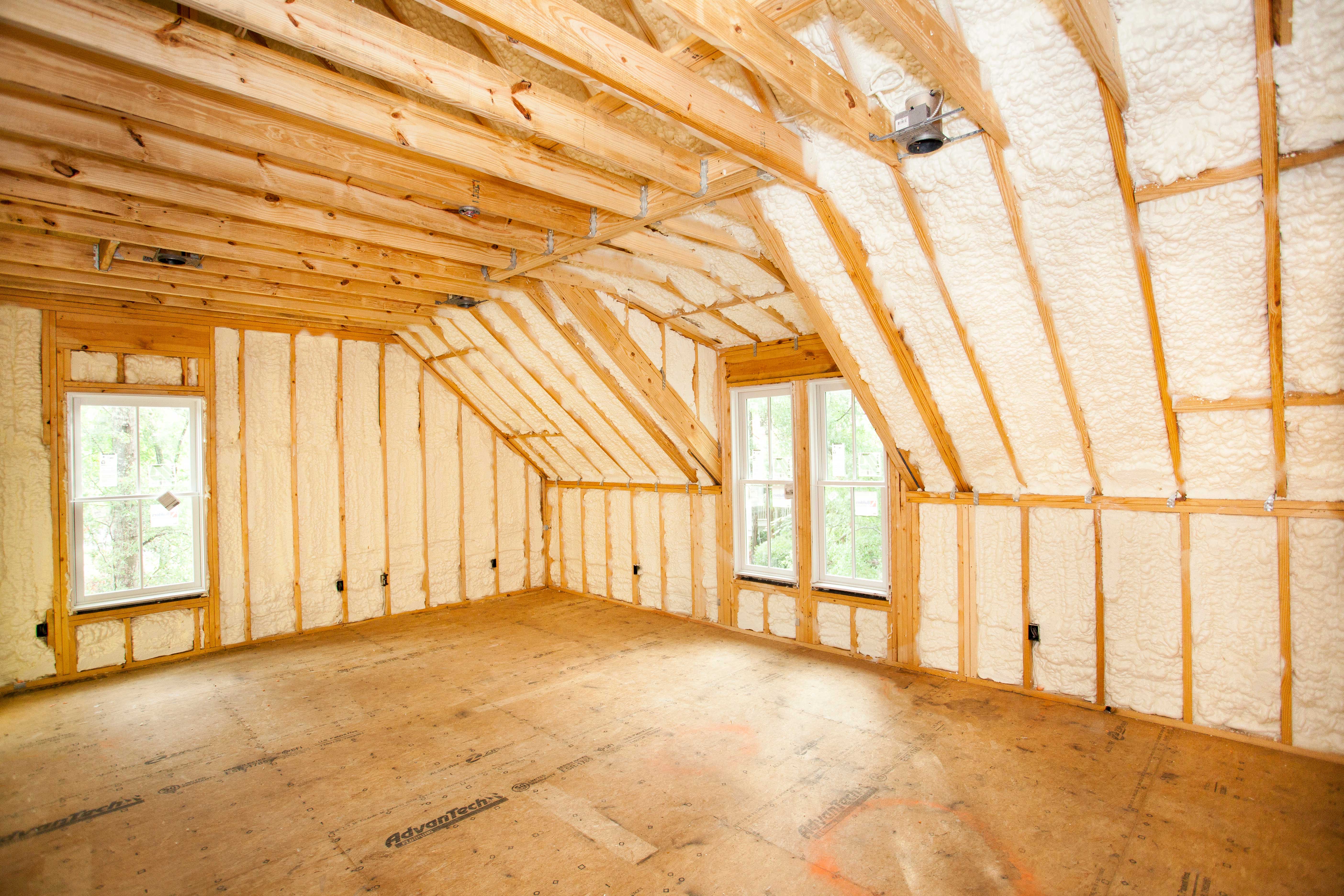
Common spray foam terms
Spray Foam Insulation: A type of insulation material that is applied as a liquid and expands into a foam to fill cavities and create an effective thermal barrier.
Closed-Cell Spray Foam: A type of spray foam insulation that is composed of cells that are completely sealed off from one another, providing a higher R-value and additional benefits of moisture resistance and structural reinforcement.
Open-Cell Spray Foam: A type of spray foam insulation with open, interconnected cells, offering a lower R-value compared to closed-cell foam, but excellent sound dampening properties.
R-Value: A measure of thermal resistance, indicating an insulation material's ability to resist the flow of heat. Higher R-values signify higher thermal performance.
Curing: The process during which the liquid spray foam transforms into a solid foam by chemical reactions and expansion.
Substrate: The surface or material to which spray foam insulation is applied, such as walls, roofs, or floors.
Expansion Ratio: The degree to which spray foam expands from its liquid form after application. This ratio varies depending on the type and brand of spray foam.
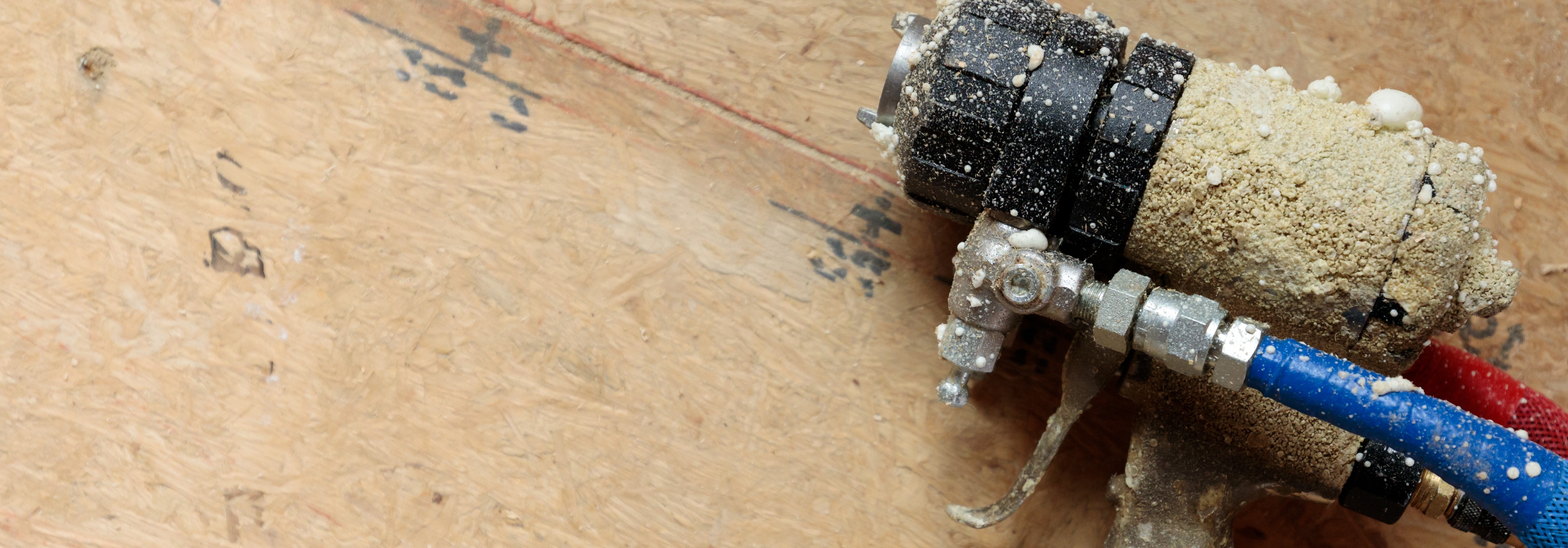
Spray Foam Rig: A specialized vehicle or trailer equipped with the necessary machinery and materials for on-site spray foam application.
Thermal Barrier: A material or layer that prevents the passage of heat, often required to cover spray foam in occupied spaces to enhance fire safety.
Ignition Barrier: A material that prevents the ignition of spray foam insulation and is required in specific applications to meet building codes.
HVAC (Heating, Ventilation, and Air Conditioning): Systems that control temperature, humidity, and air quality within a building, often affected by spray foam insulation in terms of efficiency.
Vapor Barrier: A material that prevents the movement of water vapor through walls or ceilings, often used in conjunction with insulation to manage moisture.
Air Barrier: A material that stops the flow of air through a building's envelope, preventing drafts and improving energy efficiency.
Blowing Agent: A substance added to spray foam insulation to create bubbles or cells and aid in its expansion.
HFO (Hydrofluoroolefin): A newer, more environmentally friendly blowing agent used in some spray foams, replacing older, high-global-warming-potential (GWP) blowing agents.
Adhesion Promoter: A substance applied to the substrate before spray foam to enhance adhesion and prevent delamination.
Cavity Wall Insulation: The application of spray foam within the empty spaces or cavities between interior and exterior walls to improve thermal performance.