

Building a New Home?

Spray foam is the best option.

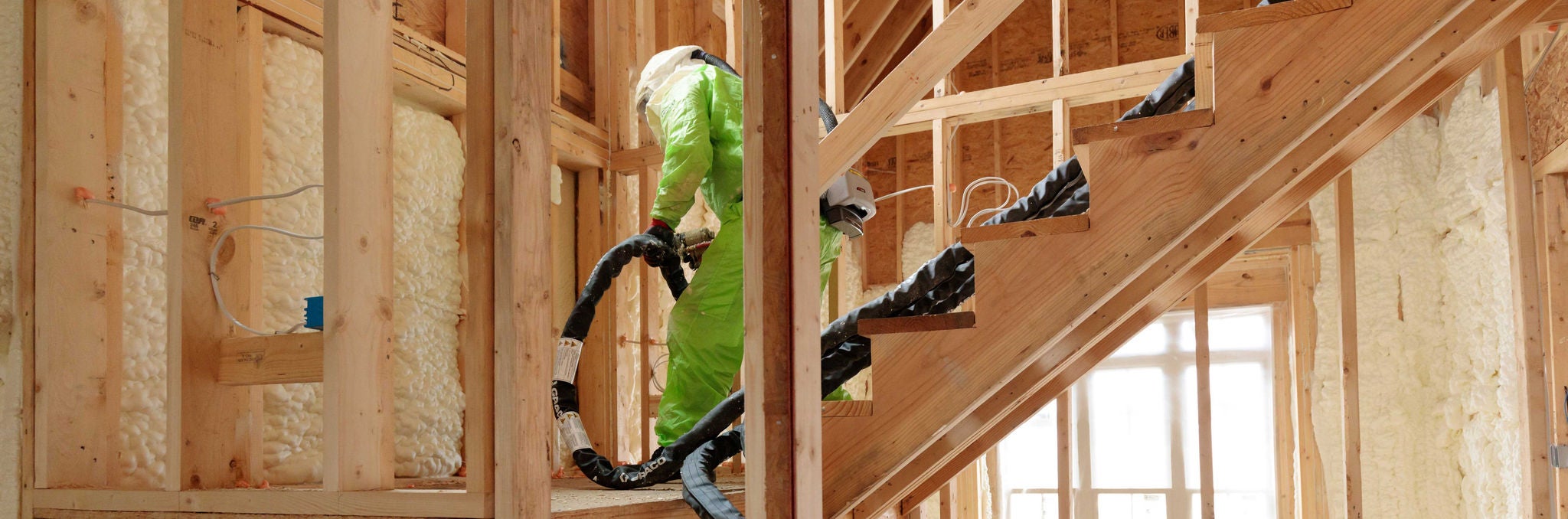
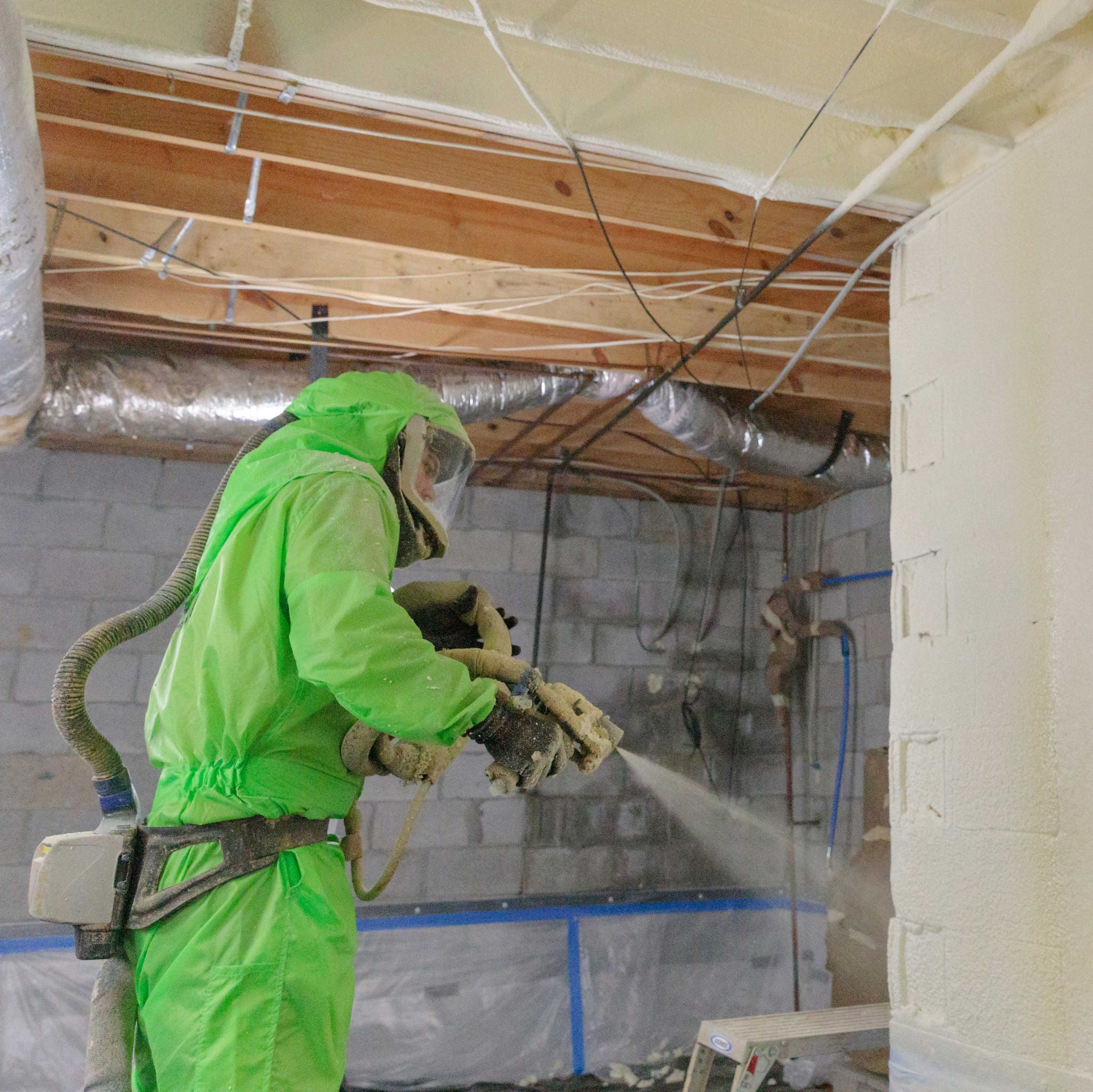
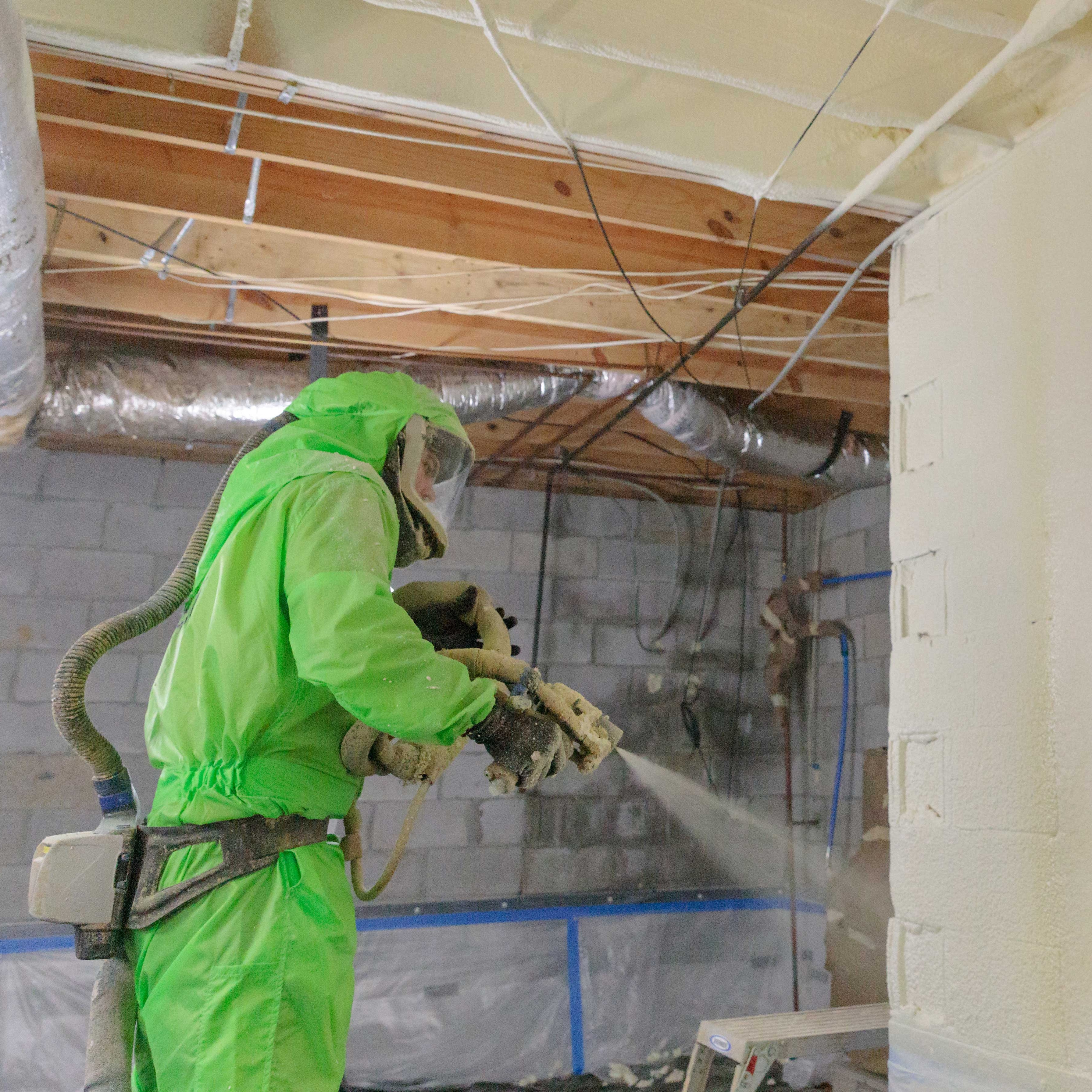
When it comes to building a new home, the choice of insulation has a major impact on its comfort, energy efficiency, and long-term value. Among the various insulation options available, spray foam stands out as the superior choice because of its air sealing properties. Spray foam insulation creates a seamless, airtight barrier that seals every crack and crevice, preventing unwanted air entry or loss. The air sealing properties will increase your home’s energy efficiency and lower your monthly heating and cooling cost by up to 50%!!

no

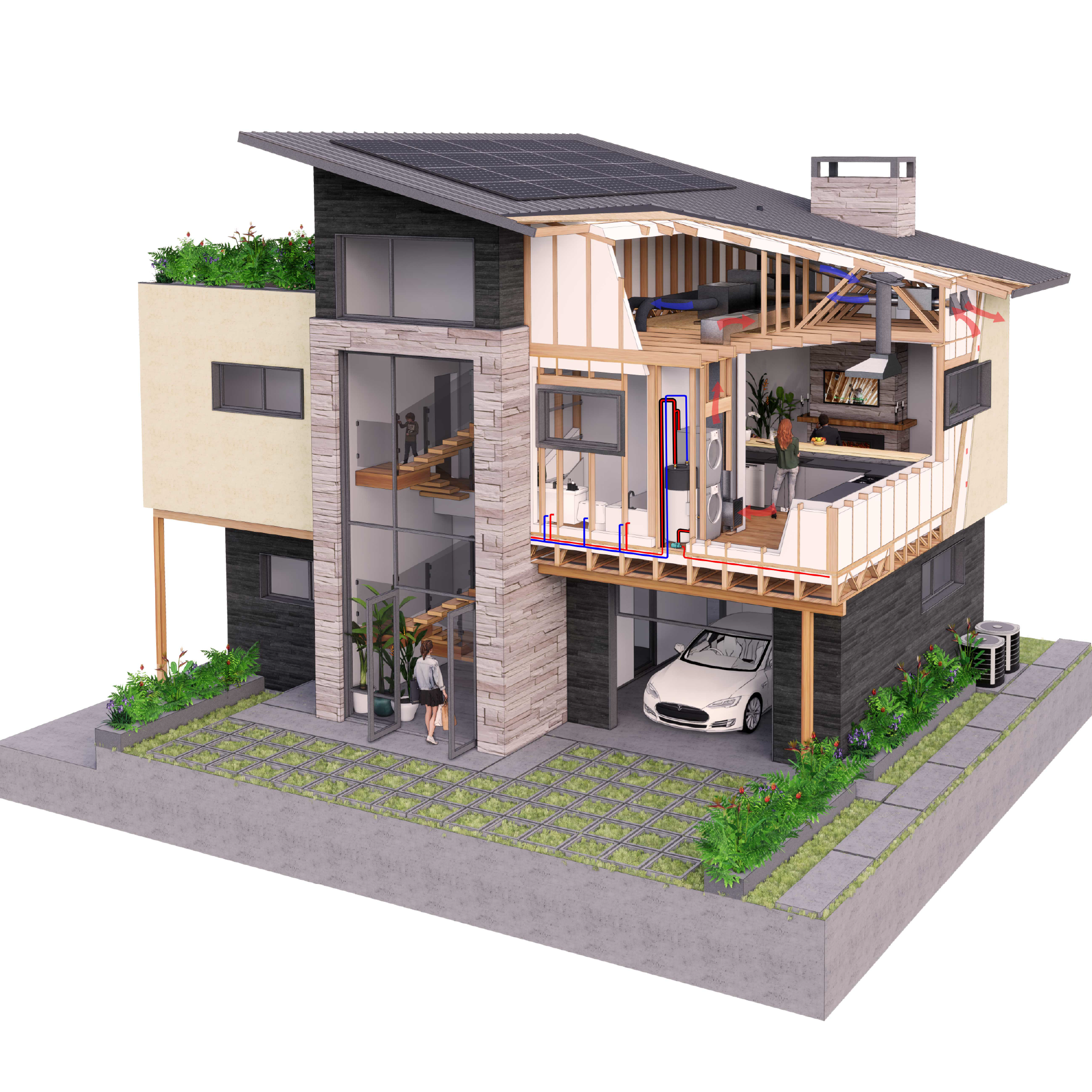
Where is Spray Foam insulation applied during the building process?

Wall Insulation: Spray foam is applied to the interior or exterior walls, or even within wall cavities. This creates a thermal barrier and air barrier, sealing off the home to prevent heat loss and drafts.

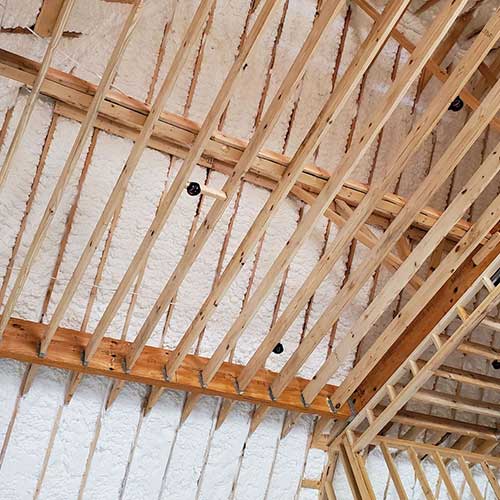
Roof and Attic Insulation: In the attic and on the underside of the roof deck, spray foam insulation can be applied to form a continuous layer of insulation, effectively sealing the space and preventing heat transfer between the interior and exterior of the home.

Crawl Spaces and Basements: Closed cell foam is used in crawl spaces and basements to seal off these areas from moisture and temperature fluctuations, protecting against potential moisture-driven issues like mold and structural damage.

no

INTERESTED IN MAKING UPGRADES TO YOUR EXSISTING HOME?

Retrofitting with spray foam insulation is a process of upgrading an existing home or building with spray foam insulation. It involves the application of spray foam to areas of the structure, such as attics, walls, crawl spaces, and basements, to increase energy efficiency, mitigate potential moisture challenges, and improve the home’s indoor air quality.

Spray foam is an ideal choice for retrofitting because it can be applied to irregular spaces and effectively seals gaps and voids that may exist in older construction. It's a smart way to modernize and improve the energy performance of an older home while enhancing its value and livability.

Many areas of a home can be retrofitted with insulation, and spray foam is a versatile choice for upgrading your home. 

no

WHERE CAN I RETROFIT IN MY HOME?

 Adding spray foam insulation to the attic can help maintain a consistent temperature in your home, reduce energy loss, and prevent ice dams in colder climates, providing an added layer of protection under the roof.

 Existing walls can be retrofitted with spray foam by creating small openings or removing sections of drywall to access wall cavities. This enhances energy efficiency and comfort.

Retrofitting crawl spaces with spray foam helps control moisture, prevent pests, and insulate the area, improving the overall indoor environment.

Insulating basement walls can help control moisture and create a more comfortable living space. It can also prevent cold air from infiltrating your home through the foundation.

The area where the foundation meets the framing of the house, known as the rim joist, can be a significant source of air leakage. Retrofitting with spray foam effectively seals this area, improving energy efficiency.

 If you have living spaces above or adjacent to a garage, retrofitting the garage walls and ceiling with spray foam can help maintain a comfortable temperature in these areas and the adjacent wall to the first level of the home.

 If your home has ductwork in unconditioned spaces like attics or crawl spaces, sealing and insulating the ducts with spray foam can improve HVAC efficiency.


READY TO GET STARTED?

We're here to help you enjoy a more comfortable and energy efficient home.

Contact an Enverge Sales Representative for more information about Spray Foam insulation for your home.

Spray-Foam-Insulation-in-home - 1

TAKE ADVANTAGE OF TAX CREDITS, UP TO $1,200!

The Inflation Reduction Act (IRA) of 2022 helps fund energy efficient advancements of the nation's buildings, including residential homes. Several provisions in the IRA provide funding for spray foam insulation, including the 25C tax credit. The 25C tax credit became effective on January 1, 2023 with a 30% or $1,200 (whichever is lower) tax credit for qualifying home energy efficiency upgrades (like spray foam!) that comply with the 2021 International Energy Conservation Code® (IECC®). You can take advantage of the IRA tax credit every year through 2032!!

Homeowners can apply for the 25C tax credit by filling out IRS Form 5695, Residential Energy Credits while doing their federal tax return. For more information about Form 5695 or to find the actual form, visit: www.irs.gov/forms-pubs/about-form-5695. Note: This information is subject to change as the IRS issues new guidance.